Why Is Breast Cancer Common After Menopause : What are the Symptoms of Peri-menopause - AAI Clinic : Reviewed by jennifer robinson, md on august 20, 2019 menopause itself is not associated with an increased risk of developing cancer.
Dapatkan link
Facebook
X
Pinterest
Email
Aplikasi Lainnya
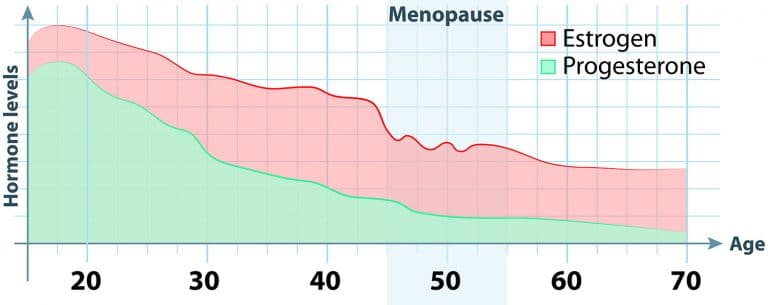
Why Is Breast Cancer Common After Menopause : What are the Symptoms of Peri-menopause - AAI Clinic : Reviewed by jennifer robinson, md on august 20, 2019 menopause itself is not associated with an increased risk of developing cancer.. Referring to a cancer's stage is referring to how it spreads and grows. Increased exposure to hormones, such as estrogen increased number of ovulations ovulation occurs when the ovary releases eggs. Women with a uterus, who need to use a progestogen in addition to an estrogen. As you near menopause, your levels of estrogen drop dramatically. After menopause, the ovaries stop producing estrogen, but contrary to popular conception, your body still makes the hormone.
If it were, no one would get breast cancer after menopause, when the body's production of estrogen declines by 99%. While some women experience a general breast tenderness that seems to linger, others can experience extreme pain from the slightest touch. Starting menstrual periods at a younger age or going through menopause at a later age raises the body's exposure to these hormones, which can increase a person's risk of breast cancer. Most of the time, the cause is benign and breast pain resolves without treatment. Cancers are more common as people age, however.
Menopause: Symptoms, Treatment, Cancer & Risks ~ Pink ... from pinklotus.com Fibrocystic breast changes (also called fibrocystic breasts) this condition is very common, especially when you are in your 30s and 40s. Most of the time, the cause is benign and breast pain resolves without treatment. A pooled analysis of data from 117 studies looked at the age at menopause and breast cancer risk. In other words, the tissue becomes less dense, more fatty, and starts to sag. Menopause is the time in a woman's life when hormone production levels drop to a point where she stops getting her period (menstruating). Though menopause itself does not cause breast cancer, the chance of developing breast cancer increases the older you get. Cancers are more common as people age, however. Breast cancer is not a disease of having too much estrogen in your body.
National cancer institute, 1 in 28 american women will be diagnosed with breast cancer between ages 60 and 70.
It is common for women with early stage cancer to not have symptoms. Although breast cancer is a lot more common. Starting menopause after age 55 increases a woman's risk of breast cancer and endometrial cancer. Increased exposure to hormones, such as estrogen increased number of ovulations ovulation occurs when the ovary releases eggs. A longer exposure to estrogen increases a woman's risk of breast cancers. Referring to a cancer's stage is referring to how it spreads and grows. Symptoms of very early stage ovarian cancer. All of these involuntary actions tend to change the breast size and. In other words, the tissue becomes less dense, more fatty, and starts to sag. (it's unusual after menopause.) more than half of all women have this condition at some point in their lives. Based on the whi study, taking ept is linked to a higher risk of breast cancer. As we approach 80, this number drops to 1 in 26. Expert quote menopause on top of a breast cancer diagnosis can be more than a major disruption.
That causes them to become less. Breast cancer is most common in women over 50. For every year older a woman was when she started going through menopause, breast cancer risk increased by about 3 percent 1. During a woman's menstrual cycle, estrogen stimulates the uterus and breast tissue. After menopause, the ovaries stop producing estrogen, but contrary to popular conception, your body still makes the hormone.
Weight gain may reduce risk of breast cancer before menopause from i0.wp.com Breast pain is less common after menopause than it is before the big change. Women who go through menopause later in life have an increased risk of breast cancer compared to women who go through menopause earlier. Referring to a cancer's stage is referring to how it spreads and grows. It is linked to a higher risk of abnormal vaginal bleeding. The longer ept is used, the higher the risk. Going through menopause at a later age is linked to an increased risk of breast cancer 10,15,18,20.for example, women who go through menopause after age 55 have about a 40 percent higher risk of breast cancer than women who do so at age 45 or younger .a pooled analysis of data from more than 400,000 women found for every year older a woman was at menopause, her breast cancer risk increased. A pooled analysis of data from 117 studies looked at the age at menopause and breast cancer risk. It also appears the longer your breast tissue is exposed to estrogen, the greater your breast cancer risk.
After menopause, the ovaries stop producing estrogen, but contrary to popular conception, your body still makes the hormone.
If it were, no one would get breast cancer after menopause, when the body's production of estrogen declines by 99%. Which means that weight gain, in particular, is a risk factor for postmenopausal breast cancer, since more fat cells mean more estrogen. Find out how to manage the effects. The earliest stages mean the cancer is still in the ovary and this is called stage one. Women who go through menopause later in life have an increased risk of breast cancer compared to women who go through menopause earlier. Change in breast size and shape. Fibrocystic breast changes (also called fibrocystic breasts) this condition is very common, especially when you are in your 30s and 40s. Women with a uterus, who need to use a progestogen in addition to an estrogen. Cancers are more common as people age, however. Not all women experience breast discomfort in the same way. If they do, some symptoms. Common causes of hormonal disorders and, as a result, fibrocystic breast pain after menopause: Some find the physical and.
And yet women continue to fear breast cancer more than the statistics warrant. Increased exposure to hormones, such as estrogen increased number of ovulations ovulation occurs when the ovary releases eggs. Although breast cancer is a lot more common. For every year older a woman was when she started going through menopause, breast cancer risk increased by about 3 percent 1. Change in breast size and shape.
Beating Breast Cancer Before Age 40 May Mean Multiple ... from moffitt.org Common causes of hormonal disorders and, as a result, fibrocystic breast pain after menopause: The longer ept is used, the higher the risk. Women with a uterus, who need to use a progestogen in addition to an estrogen. Women who go through menopause later in life have an increased risk of breast cancer compared to women who go through menopause earlier. Starting menstrual periods at a younger age or going through menopause at a later age raises the body's exposure to these hormones, which can increase a person's risk of breast cancer. So the more menstrual periods a woman has, the longer these tissues are exposed to estrogen. Fibrocystic breast changes (also called fibrocystic breasts) this condition is very common, especially when you are in your 30s and 40s. Dense breast tissue is replaced by fatty tissue as the aging process continues.
The earliest stages mean the cancer is still in the ovary and this is called stage one.
As we approach 80, this number drops to 1 in 26. It is common for women with early stage cancer to not have symptoms. Referring to a cancer's stage is referring to how it spreads and grows. While some women experience a general breast tenderness that seems to linger, others can experience extreme pain from the slightest touch. Based on the whi study, taking ept is linked to a higher risk of breast cancer. Women with a uterus, who need to use a progestogen in addition to an estrogen. Menopause is the time in a woman's life when hormone production levels drop to a point where she stops getting her period (menstruating). Women who go through menopause later in life have an increased risk of breast cancer compared to women who go through menopause earlier. For every year older a woman was when she started going through menopause, breast cancer risk increased by about 3 percent 1. Hormone replacement therapy (hrt) after breast cancer Most cancers occur in people age 55 and older. All of these involuntary actions tend to change the breast size and. It also appears the longer your breast tissue is exposed to estrogen, the greater your breast cancer risk.
How To Make Playing Cards At Home - How To Create Your Own Deck Of Playing Cards With Video Playingcarddecks Com - Browse card making articles you are currently browsing our site in: . Use your creative energy and imagination to turn the ordinary playing card into a miniature masterpiece. We used the 8.5 x 11 canon matte photo paper to. Choose a paper with a thick consistency. Make meaningful moments even more personal with handcrafted card making ideas that capture the mood and show loved ones how much you care. This makes cutting out the cards easier. These are good ways to make playtest cards for your game. See how easy it is to use our cards maker. 6 fun card games to play at the bar, whether you're alone, or with a group. You can see the details. By popular demand.like this video? How To Make Playing Cards 11 Steps With Pictures Wikihow from www.wikihow.com ...
Why Scorpio Loves Cancer Woman - Pin by Carmen Perez on Scorpio | Scorpio woman, Scorpio ... : Love compatibility between cancer woman and scorpio man. . Even though they share the same ruling element, the female scorpion is more social than the male crab. Scorpio and cancer compatibility also works in favor of their sexual lives as it provides an instinctual and unspoken connection during intimacy. Governed by the moon, she is a cancer woman in love is nurturing and attentive. Cancer and scorpio are both water signs. The cancer man and the scorpio woman are similar in several ways. Whether their relationship survives or collapses largely depends on how they resolve their issues. Being ruled by the water element both the scorpio male cancer female are very sentimental and sensitive people, which is why they are able to understand each other so well. The scorpio man cancer woman love compatibility is an emotional connection and this helps them gel well with one anothe...
What Attracts A Gemini Man To A Cancer Woman / Gemini Man Cancer Woman Compatibility / This is a combination of the mutable air gemini and the cardinal water cancer, which may have possibilites of a great relationship if the differences in them are taken care of, in this gemini man and cancer woman love compatibility test. . As i already said, cancer man looks for a woman having a touch of innocence and feminine. The gemini man is extremely intelligent, always looking at the world from the highest viewpoint possible. But this is by no means the only look geminis are into. While this sounds like a fairytale, the thing that the cancer woman will want the most is emotional security. Make a statement with your look. 7 obvious signs to tell; If a cancer woman takes the risk to be with a gemini man, she must see him as something special. The gemini man never stands still, thinks fast, acts fast and has found someone who is very similar: One of the most interesting factors ...



Komentar
Posting Komentar